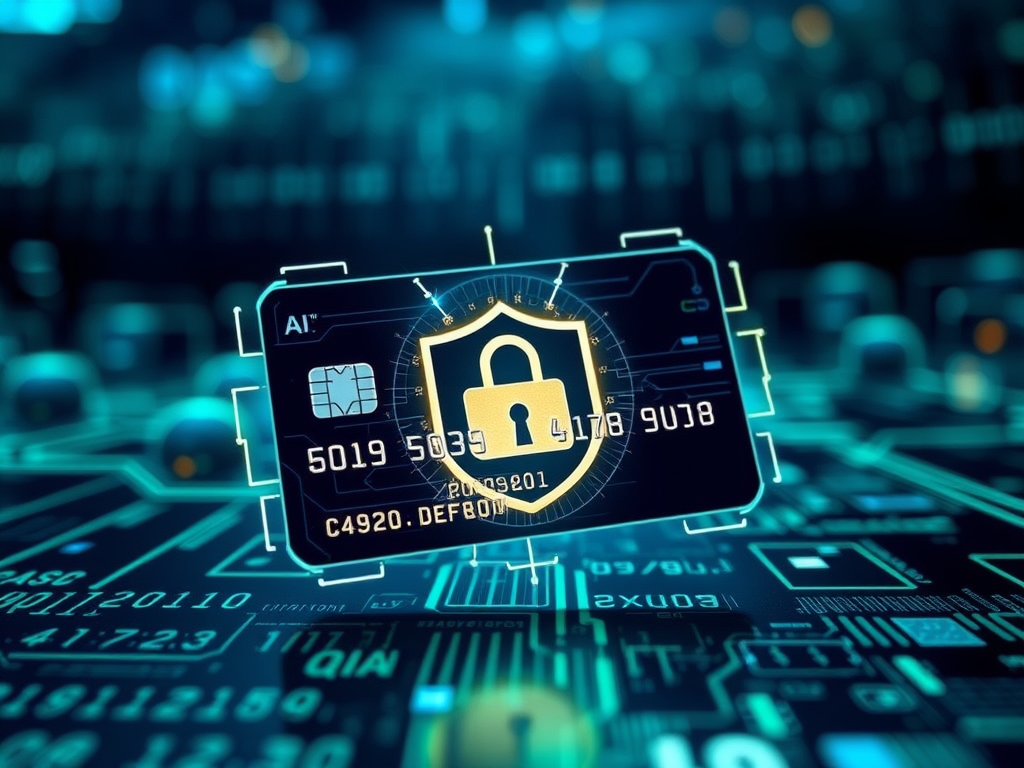
איך חשיפת נתוני מחזיקי כרטיסי אשראי מציבה סיכון ייחודי בעידן החדש, כאשר כרטיס אשראי כבר אינו רק אמצעי תשלום — אלא יעד סייבר.
בעידן ה-AI, דליפת נתוני כרטיסי אשראי מקבלת משמעות חדשה ומסוכנת יותר. אם בעבר נתונים גנובים שימשו בעיקר להונאות נקודתיות, היום הם מזינים מערכות בינה מלאכותית המסוגלות לבצע הונאות חכמות, מותאמות אישית ובקנה מידה רחב. שילוב של מספר כרטיס, דפוסי שימוש, מיקום והרגלי צריכה מאפשר ל-AI לייצר התקפות מדויקות שמתחמקות בקלות ממנגנוני גילוי מסורתיים.
ככל שהרגולציה דוחפת לעמידה מחמירה יותר בתקני אבטחה ופרטיות (כגון PCI DSS, GDPR, DORA), נוצר פרדוקס: הארגונים משקיעים יותר בהגנה טכנולוגית, אך במקביל ערך הנתונים הגנובים עולה — משום שהם “איכותיים” יותר, נקיים יותר, ומאפשרים אימון מודלים עברייניים מתקדמים. כך, כרטיס האשראי הופך מנכס תפעולי לנכס מודיעיני עבור תוקפים.
המשמעות ברורה: אבטחת כרטיסי אשראי כבר אינה רק עניין של הצפנה ועמידה בתקנים, אלא של ניהול סיכוני AI — זיהוי אנומליות בזמן אמת, הגנה על דפוסי התנהגות (ולא רק על מספרים), והבנה שהמאבק עבר ממניעת פריצה בודדת להתמודדות עם מערכות תוקפות לומדות.
בעידן הזה, מי שיתייחס לכרטיס אשראי כאל “אמצעי תשלום בלבד” — יישאר צעד אחד מאחור
How Exposing Credit Cardholder Data Poses a Unique Risk in the AI Era
When a credit card is no longer just a means of payment — but a cyber target.
In the age of AI, the leak of credit card data takes on a new and more dangerous significance. While stolen data was once used primarily for isolated fraud cases, today it feeds AI systems capable of executing smart, personalized, and large-scale attacks. The combination of card numbers, usage patterns, location, and spending habits allows AI to generate precise strikes that easily bypass traditional detection mechanisms.
As regulation pushes for stricter compliance with security and privacy standards (such as PCI DSS, GDPR, and DORA), a paradox emerges: organizations are investing more in technological defense, yet the value of stolen data continues to rise. This is because the data is now “higher quality” and cleaner, making it ideal for training advanced criminal models. Thus, the credit card evolves from an operational asset into an intelligence asset for attackers.
The implication is clear: credit card security is no longer just about encryption and compliance; it is about AI risk management. This means identifying anomalies in real-time, protecting behavioral patterns (rather than just digits), and understanding that the battlefield has shifted from preventing a single breach to countering autonomous, learning attack systems.